What Is Dry Root Rot of Citrus?
Dry root rot (DRR) is a soil-borne disease of citrus caused primarily by the fungus Fusarium solani. It is a weak pathogen that infects citrus trees under stress conditions, leading to bark decay below soil level, yellowing and dropping of leaves, twig dieback, and eventual tree death. India — the world's third-largest citrus producer — faces significant yield losses from this disease across major growing states.
Key Takeaways
- Dry root rot symptoms appear in the canopy 2–3 years before root decay becomes visible — early monitoring is critical.
- Water stress, poor drainage, and excessive irrigation are the primary predisposing factors that make citrus trees vulnerable to Fusarium solani.
- Integrated management combining proper irrigation, soil drenching with fungicides, neem cake application, and sanitation practices is the most effective control strategy.
Symptoms of Dry Root Rot
The effects of dry root rot are typically observed in the upper parts of the citrus tree before the roots show visible signs of decay. The disease progression follows a distinct pattern:
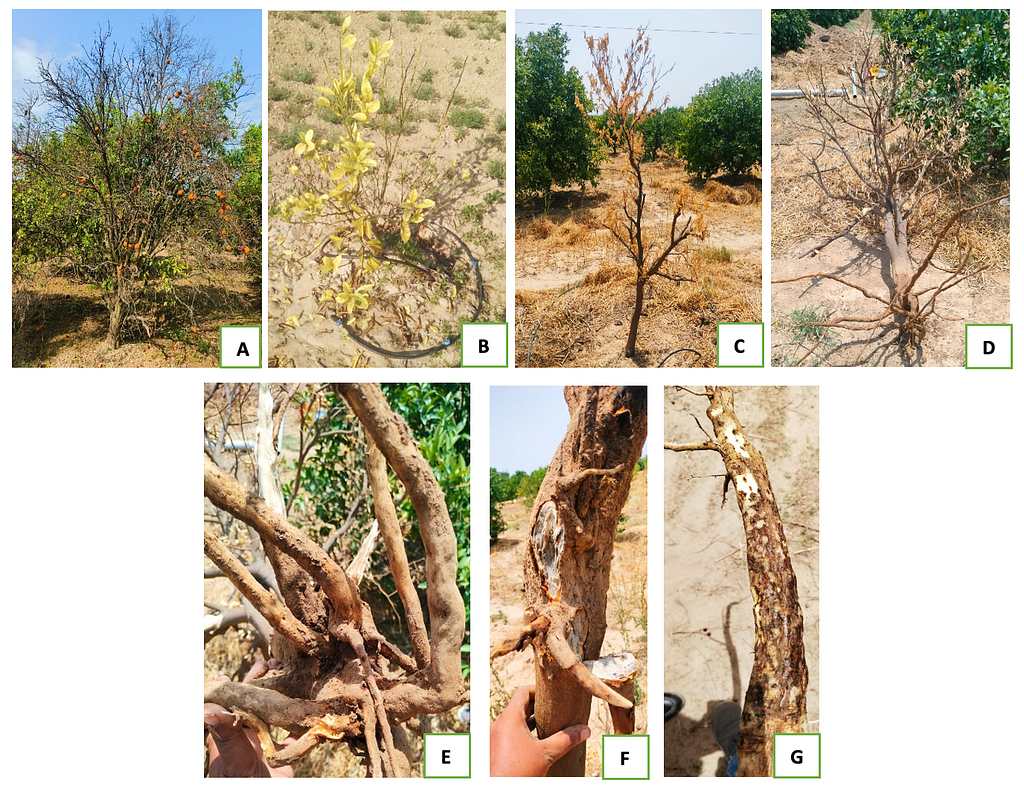
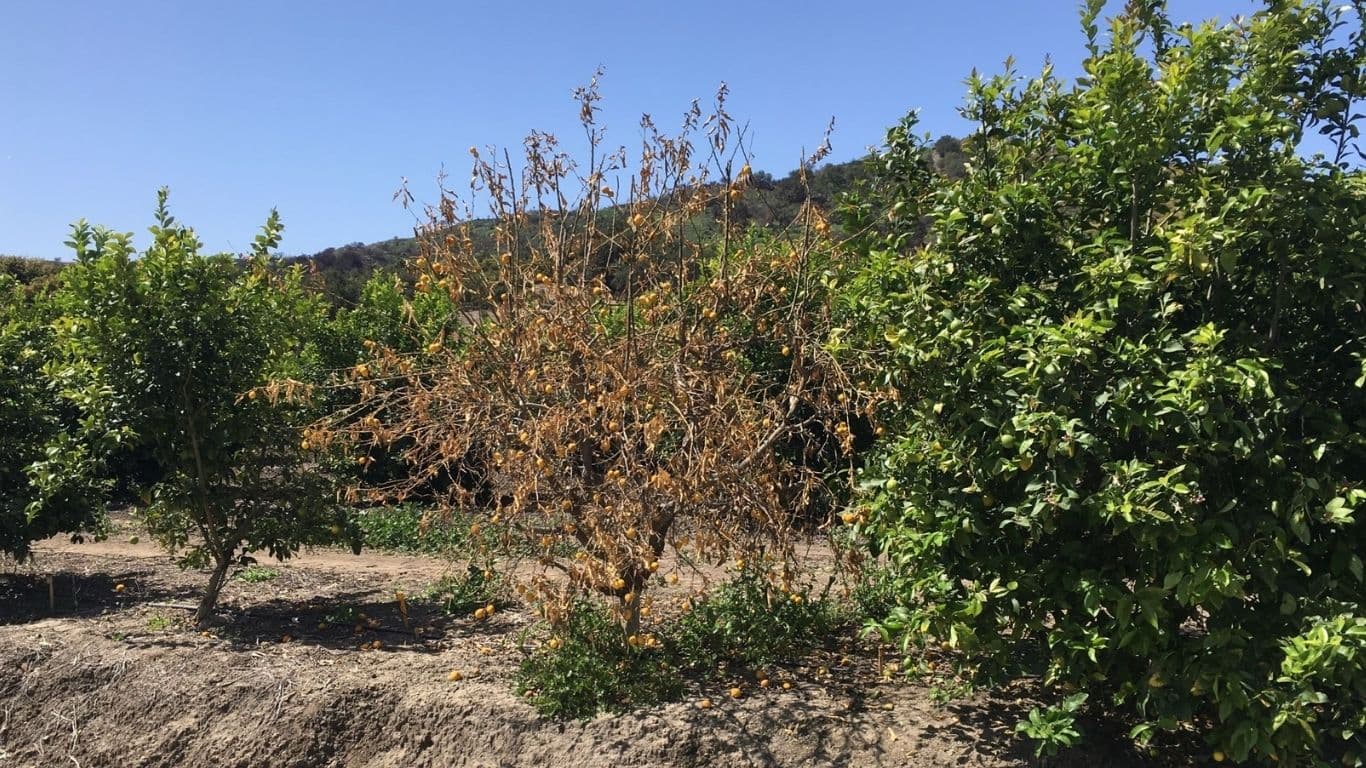
Early Symptoms Yellowing and dropping of leaves, followed by twig dieback. It takes approximately two to three years from the time of infection for wilt symptoms to become noticeable.
Advanced Symptoms Foliage becomes sparse, and the tree eventually dies. This collapse often happens after prolonged heat, occurring so rapidly that the tree dies with its leaves still attached.
Partial Infection Pattern Occasionally, an affected tree survives for years — one side showing dead and defoliated twigs while the other side appears almost normal. Examination of the roots often reveals that one or more main roots are in poor condition even if the lower trunk remains uninjured.
Root and Bark Decay Bark decay usually begins below soil level. In early stages, the root bark is moist and separates easily from the wood. In advanced stages, bark on one side of the crown is typically decayed, and the wood underneath becomes hard, dead, and light brown in colour.
Life Cycle of Fusarium solani
The primary source of infection is through chlamydospores or mycelium present in the soil. The pathogen enters hosts through developing roots. After infection, F. solani produces asexual macroconidia and microconidia, which are dispersed through irrigation water and implements — spreading the disease across the orchard.
Predisposing Factors
Abiotic Factors
Water stress is a major driver. It makes plants more susceptible to Fusarium infection, though the pathogen can also colonise roots without stress in an asymptomatic form. Under stress, Fusarium depletes the tree's starch reserves. Poor drainage, excessive irrigation, and poor aeration all increase infection likelihood. Trees weakened by frost are also more prone to F. solani attack.
Climate significantly influences disease dispersal. Research by Ippolito (1992) indicated a peak in disease incidence between May and July, likely due to rising temperatures. Pathogen populations increase with root activity from May through November, as abundant root nutrients stimulate pathogen growth.
Biotic Factors
The disease worsens in the presence of Phytophthora spp., citrus tristeza virus (CTV), and pests such as nematodes (Tylenchulus semipenetrans), rodents, and insects — all of which can provide entry sites for the dry root rot pathogen.
Case Study: Fusarium Wilt Incidence Across Irrigation Methods in Punjab-Haryana
A survey conducted in the Abohar region of Punjab and parts of Haryana assessed Fusarium wilt incidence across 31 orchards using different irrigation methods in 2024.
Findings by Irrigation Method
Drip irrigation (18 orchards): 8 were infected, with a percent incidence of 1.24%.
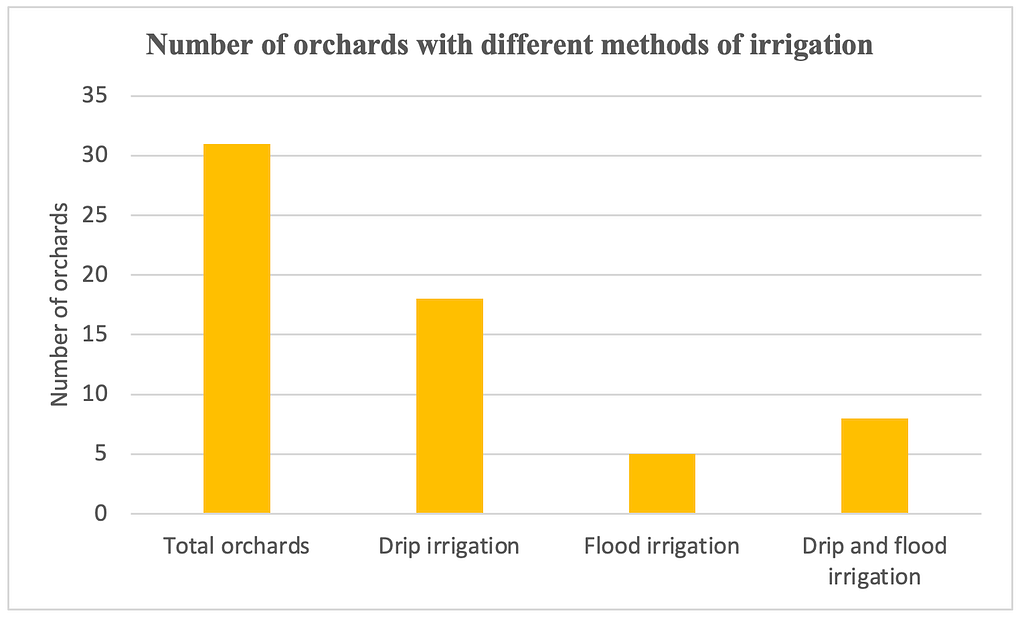
Flood irrigation (5 orchards): All showed Fusarium wilt symptoms, with a percent incidence of 5.83%.
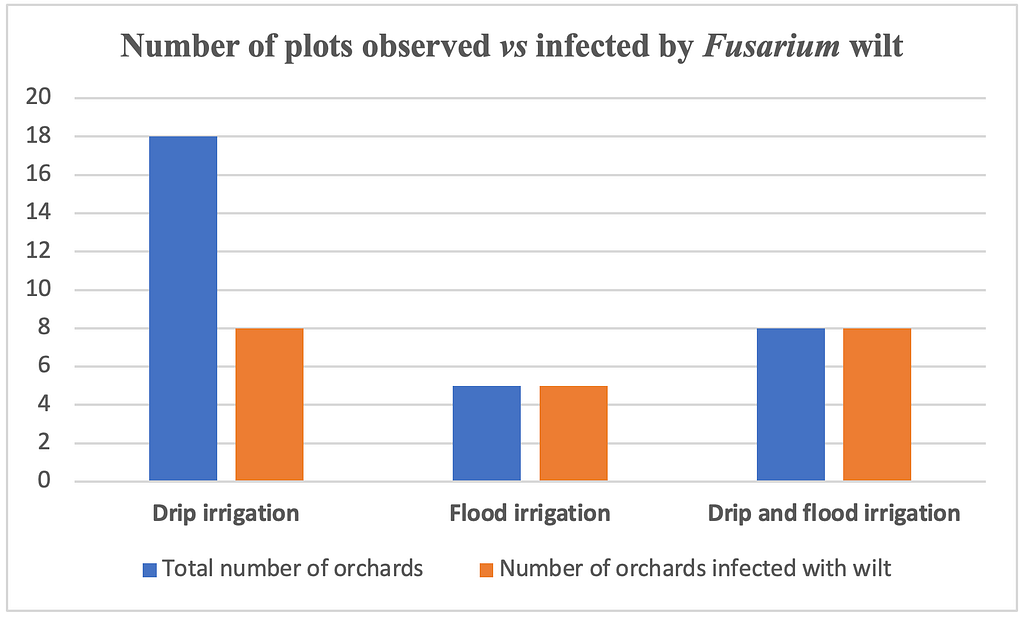
Mixed irrigation (8 orchards): All showed symptoms, with a percent incidence of 10.10%.
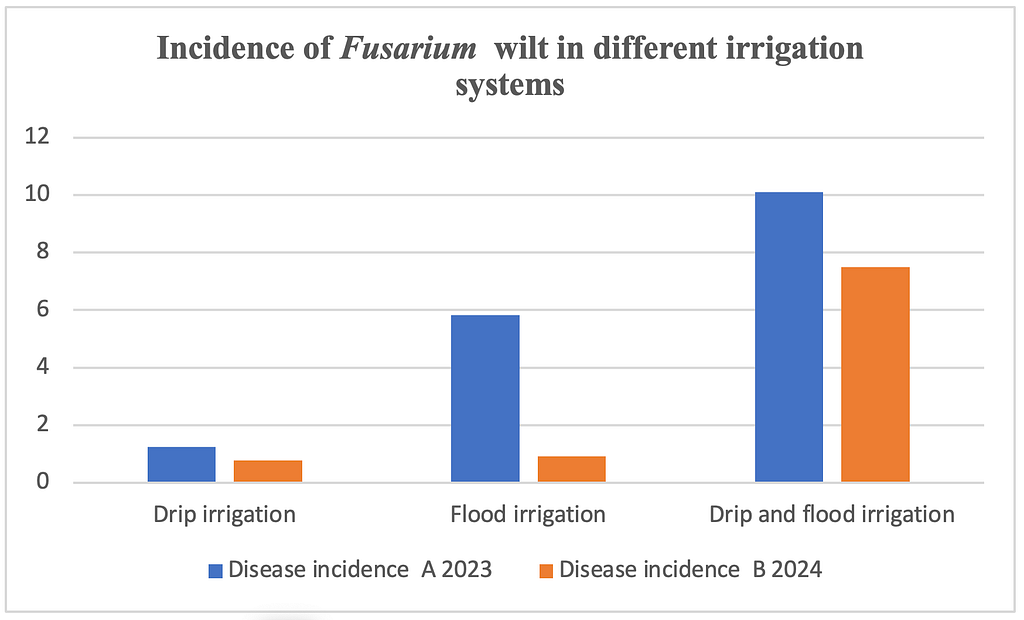
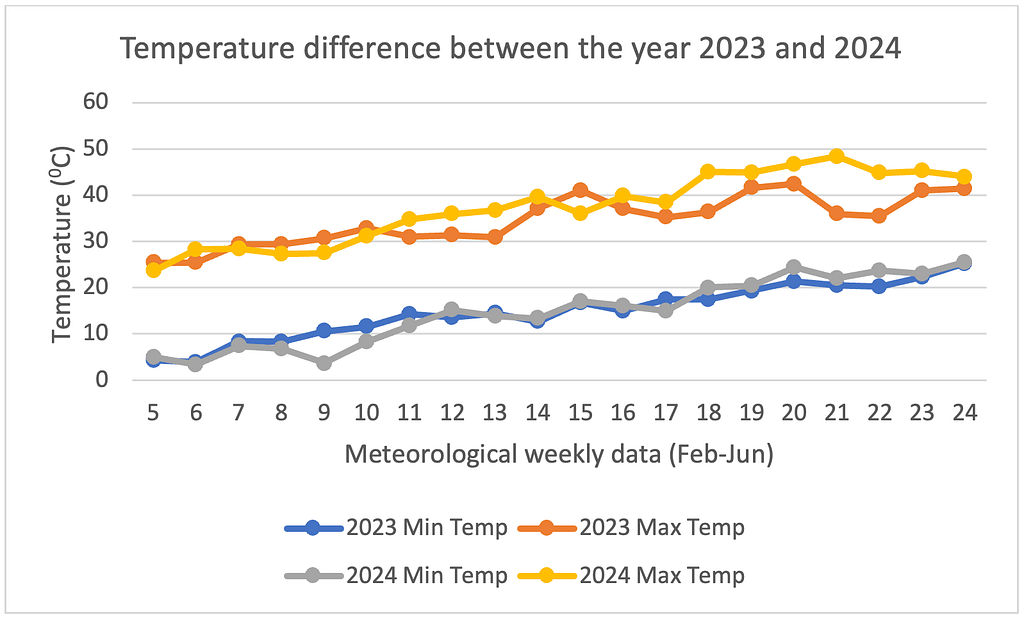
Fusarium wilt incidence increased across all irrigation methods in 2024 compared to 2023. Weather data analysis indicated that 2024 experienced a prolonged period of high temperatures, which likely facilitated pathogen spread and increased tree wilting. The study highlighted the need for resistant rootstock identification and species-level pathogen characterisation for more effective management.
Integrated Disease Management
Managing dry root rot in citrus relies on an integrated approach combining cultural practices, chemical treatments, and sanitation.
Cultural and Preventive Measures
- Select planting sites with good surface drainage.
- Manage irrigation carefully — neither excessive nor insufficient. Water should not remain in contact with the tree crown.
- Clean equipment thoroughly before moving between orchards to prevent pathogen spread.
- Once wilt is detected, dig a trench 3–4 feet long and deep between healthy and diseased plants.
- Maintain proper fertilisation — avoid both over- and under-application of nutrients.
- Control rodents and use herbicides carefully to minimise root damage.
- Do not remove infected trees in early stages as recovery is possible; consider removal only in advanced stages.
Chemical Treatment Protocol
- Apply 10 kg of neem cake per tree, followed by soil drenching with 0.5% Trichoderma viride formulation or 0.2% copper oxychloride in early infection stages.
- For effective control, drench the tree basin with 0.1% Carbendazim (1 g/L of water), followed by 0.25% Mancozeb (2.5 g/L), 0.2% Chlorothalonil (2 g/L), or Propiconazole (1 mL/L) — applied 12–24 hours after irrigation at monthly intervals, using 3–4 litres of chemical fluid per plant followed by light irrigation.
Pit Disinfection After Tree Removal
After removing diseased trees, dig a pit 1 foot deep and 2×2 feet wide. Prepare a formaldehyde solution (37–41% formalin) by mixing half a litre with 10 litres of water per pit. Pour immediately, cover with plastic and soil for one week, then remove the cover and rake the soil for 10–15 days until the formalin smell dissipates completely before replanting.
Safety note: Cover the whole body and use a mask, gloves, and eye protection when handling formalin — it is poisonous to humans.
How Fyllo Helps Manage Dry Root Rot in the Field
Fyllo's IoT devices assist farmers by delivering precise data on irrigation and fertigation — including optimal timing, quantities, appropriate fertilisers, and methods of application. By mitigating the water stress and nutrient imbalance conditions that predispose citrus trees to Fusarium infection, Fyllo helps reduce both the incidence and spread of dry root rot.